Book your free demo now!
Fill in your details and our team will get you started.

Trusted By 75,000+ merchants



Debit Note Format in
Excel, Word, PDF With QueueBuster
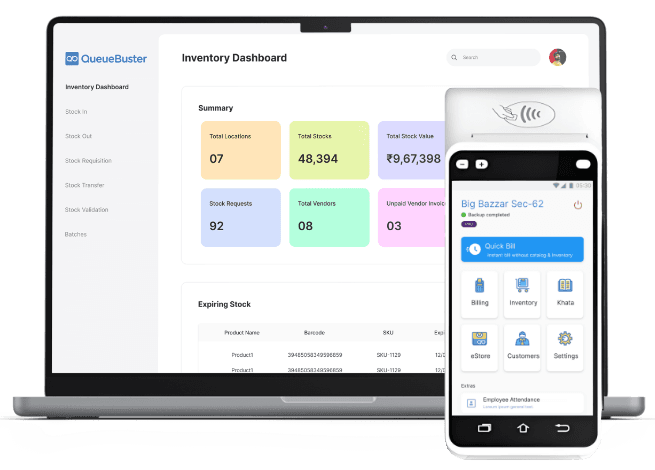
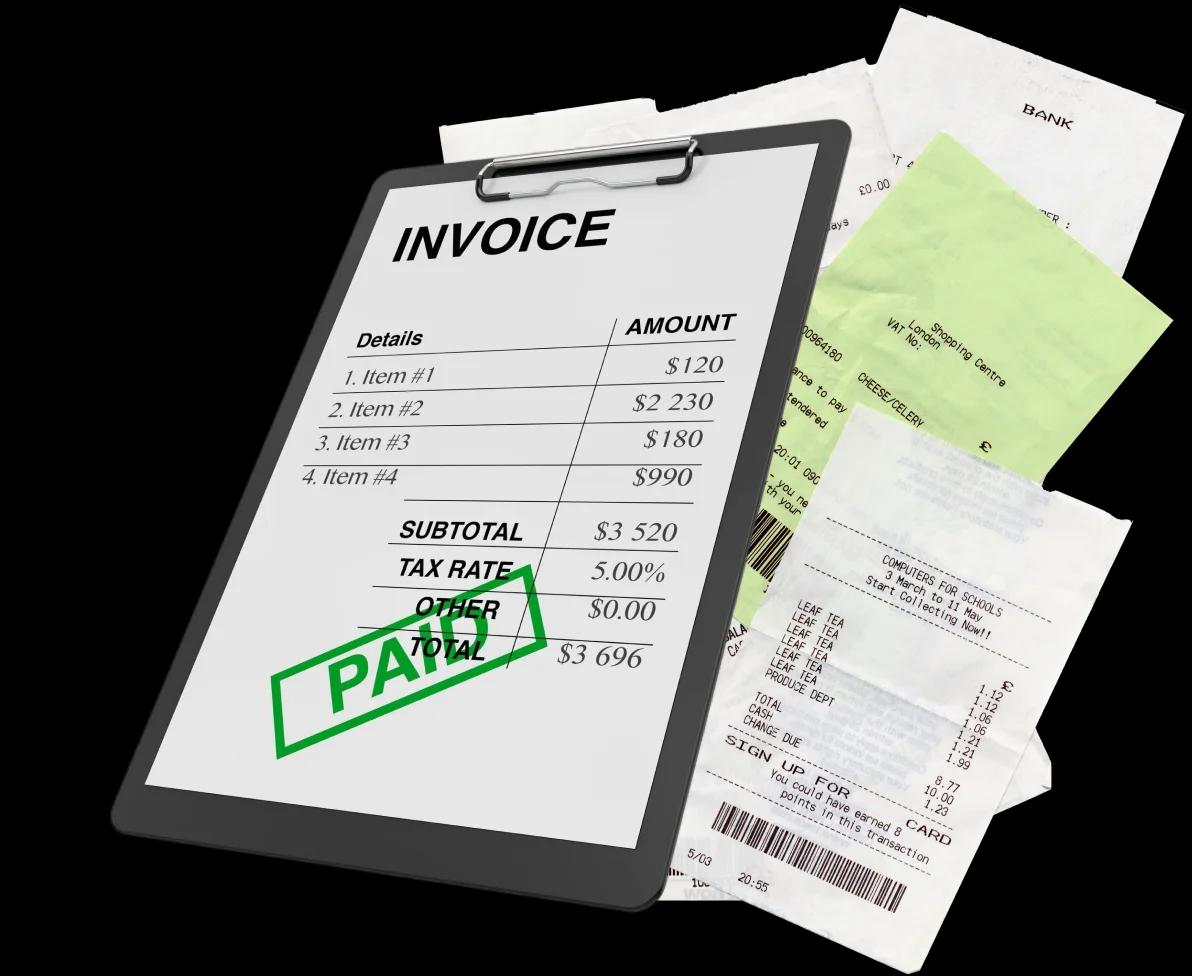
Debit notes are used in business-to-business transactions to notify vendors of deductions from the amount owed due to errors, damaged goods, or other discrepancies. Generating a debit note in Excel, Word, or PDF with QueueBuster can streamline the process and ensure accuracy in recording and communicating these deductions.
Download the Template Now!
Ready to explore how our POS Billing software can amplify your business growth? Download India's No.1 POS Billing Software trusted by 75,000+ merchants.

Start Billing in
Just 3 Easy Steps
Ready to explore how our POS Billing software can amplify your business growth? Download India's No.1 POS Billing Software trusted by 75,000+ merchants.

Why Does your Business Need a Debit Note Format?
What is a Debit Note?
Essential Components of a Debit Note
- Total Anticipated Credit: This refers to the exact amount the buyer expects to be credited for the returned goods or services. It is crucial to adjust the accounts accurately and ensuring that both parties have a mutual understanding of the financial implications.
- Inventory of Returned Items: A detailed list of items being returned is an integral part of the debit note. This inventory should include descriptions, quantities, unit prices, and any other relevant details that help both parties verify the goods and their condition.
- Reason for Return: Clearly explaining why the goods are being returned is essential. Common reasons might include defective products, incorrect shipments, or items that do not meet the buyer's specifications. Providing this information helps prevent future discrepancies and ensures that both parties are on the same page.
- Reference to Original Invoice: The debit note should reference the original invoice number and date. This connection helps in tracking the transaction and understanding the context of the adjustment.
- Date of Issue: The date on which the debit note is issued is important for record-keeping and tracking purposes. It helps both parties maintain a chronological order of events and ensures timely processing of the adjustment.
- Contact Information: Including the contact details of both the buyer and the seller facilitates communication and allows for any necessary follow-up discussions or clarifications.
- Signature or Authorization: The debit note should be signed or authorized by the relevant party. This adds a layer of authenticity and confirms that the document has been reviewed and approved.
Reasons for Issuing a Debit Note
- Return of Goods: One of the most common reasons for issuing a debit note is the return of goods. When a buyer receives defective, damaged, or incorrect items, they may return these goods to the seller. The debit note serves as a formal notification of the return and specifies the amount to be credited to the buyer's account.
- Pricing Discrepancies: If there is an error in the pricing on the original invoice, a debit note may be issued to correct this discrepancy. For instance, if the seller undercharged the buyer for certain items, the debit note would reflect the additional amount due.
- Quantity Discrepancies: Similar to pricing discrepancies, quantity discrepancies may also necessitate the issuance of a debit note. If the buyer received fewer items than ordered, or if the seller overbilled for more items than delivered, a debit note helps rectify the situation.
- Additional Charges: Sometimes, additional charges may arise after the initial billing. These charges could be due to various reasons, such as shipping costs, handling fees, or other service-related expenses. A debit note is issued to inform the buyer of these additional charges and adjust the payable amount accordingly.
- Errors in Invoice: Human errors can occur during the invoicing process. If any mistakes are identified in the original invoice, such as incorrect product descriptions, tax calculations, or discount applications, a debit note is issued to correct these errors and ensure accurate billing.
- Promotional Discounts Reversal: In some cases, promotional discounts may be applied incorrectly or may need to be reversed. For instance, if a discount was applied to items that do not qualify, the seller may issue a debit note to reverse the discount and adjust the amount payable.
- Service Adjustments: For service-based businesses, adjustments to the scope of work or service delivery may result in the need for a debit note. If additional services are provided or if there are changes in the agreed-upon terms, the debit note helps document these adjustments.
Impact of Debit Notes on Business Operations
- Financial Accuracy: Debit note formats help ensure that financial records are accurate and reflect the true nature of transactions. By documenting adjustments such as returns, pricing corrections, and additional charges, businesses can maintain precise accounts and avoid discrepancies that could lead to financial mismanagement.
- Transparency and Accountability: The use of debit notes promotes transparency and accountability in business transactions. Both buyers and sellers have a clear understanding of any adjustments made to the original billing, which helps in building trust and fostering long-term business relationships.
- Efficient Dispute Resolution: Debit notes serve as formal documentation of adjustments and can be crucial in resolving disputes. If there are any disagreements regarding returns, pricing, or additional charges, the debit note provides a clear reference point for discussion and resolution.
- Inventory Management: For businesses dealing with physical goods, debit notes play a vital role in inventory management. They help in tracking returned items, updating stock levels, and ensuring that inventory records are accurate. This is particularly important for businesses with large volumes of transactions and inventory turnover.
- Compliance and Reporting: Debit notes are essential for compliance with accounting standards and tax regulations. They provide a detailed record of financial adjustments, which is necessary for accurate reporting and compliance with statutory requirements. This is particularly important for businesses operating in regulated industries.
- Improved Cash Flow Management: By promptly addressing financial adjustments through debit notes, businesses can manage their cash flow more effectively. Timely issuance of debit notes ensures that credits and debits are accurately reflected in the accounts, helping businesses maintain a healthy cash flow.
- Enhanced Customer Relations: For sellers, the issuance of debit notes can enhance customer relations by demonstrating a commitment to transparency and fair dealings. Addressing issues such as returns and pricing discrepancies promptly and accurately helps in building trust and loyalty among customers.
Practical Examples of Debit Note Usage
- Retail Industry: A clothing retailer receives a shipment of garments from a supplier. Upon inspection, the retailer finds that some of the garments are damaged and not fit for sale. The retailer issues a debit note to the supplier, detailing the damaged items and the total amount to be credited. This ensures that the retailer’s accounts reflect the correct amount payable, and the supplier can process the return and adjust their records accordingly.
- Manufacturing Sector: A manufacturer orders raw materials from a supplier. Upon delivery, the manufacturer realizes that the quantity received is less than what was ordered and billed. The manufacturer issues a debit note to the supplier, indicating the shortfall and the corresponding reduction in the payable amount. This helps in maintaining accurate inventory records and ensures that the manufacturer is not overcharged.
- Service Industry: A digital marketing agency provides services to a client based on an agreed-upon contract. After the initial billing, additional services are requested by the client, resulting in extra charges. The agency issues a debit note to the client, specifying the additional services provided and the extra amount due. This ensures that the client is aware of the additional charges and that the agency’s accounts are updated accordingly.
- Wholesale Trade: A wholesale distributor supplies goods to a retailer on credit. The retailer discovers that some of the goods do not meet the quality standards and decides to return them. The retailer issues a debit note to the distributor, detailing the returned items and the amount to be credited. This helps the distributor update their inventory and financial records, while the retailer adjusts their payable amount.
Difference between a Credit and a Debit Note
A debit note, also known as a debit memo, is a document that signifies a debit entry in the recipient's account. In contrast, a credit note is an instrument used to indicate that the recipient's account has been credited in the issuer's books. Essentially, a debit note informs the recipient that their payable amount has increased, while a credit note informs the recipient that their payable amount has decreased.
The impact on financial accounts is another significant distinction between debit and credit notes. A debit note represents a positive amount and results in a decrease in accounts receivable. This means that when a debit note is issued, the issuing party's receivable balance is reduced, reflecting an increase in the amount owed by the recipient. Conversely, a credit note represents a negative amount and reduces accounts payable. When a credit note is issued, the issuing party's payable balance is reduced, indicating a decrease in the amount owed to the recipient.
The differences extend to the specific accounting books that are updated upon the issuance of these notes. When a debit note is issued, the purchase book is updated to reflect the returned goods or services. This is because the debit note typically corresponds to a situation where the buyer returns goods to the seller, necessitating an adjustment in the purchase records. On the other hand, when a credit note is issued, the sales return book is updated. This reflects the fact that the seller is acknowledging the return of goods by the buyer and is adjusting the sales records accordingly.
The parties involved in issuing these notes also differ. A debit note is generally issued by the customer to the supplier (the seller of the goods). This indicates that the buyer is returning goods to the seller and requesting a reduction in the amount payable. In contrast, a credit note is issued by the supplier (the seller of the goods) to the customer (the buyer of the goods). This occurs when the seller acknowledges the return of goods or rectifies an overcharge, thereby reducing the amount payable by the buyer.
Timing is another aspect where debit and credit notes differ. A debit note is typically issued during a credit purchase, which means that the buyer has acquired goods or services on credit and is now returning some or all of those goods. On the other hand, a credit note is issued during the event of credit sales, signifying that the seller has sold goods on credit and is now adjusting the account due to returns or overcharges.
In essence, a debit note is a form of purchase return document. It is issued by the buyer to indicate that goods are being returned to the seller. Meanwhile, a credit note is a form of sales return document, issued by the seller to acknowledge the return of goods by the buyer and to adjust the sales records accordingly.
The exchange relationship between debit and credit notes is also noteworthy. A debit note is often issued in exchange for a credit note. This means that when the buyer issues a debit note to the seller, the seller responds by issuing a credit note to the buyer. This reciprocal exchange ensures that both parties have accurate records of the transaction adjustment.
As a standard practice, debit and credit notes are often prepared using different colors of ink for easy identification. Debit notes are typically prepared in blue ink, while credit notes are written in red ink. This color-coding helps in distinguishing between the two types of documents and reduces the risk of errors in financial record-keeping.
Don't Take Our Word For It!
Trusted Voices.
Proven Impact

QB transformed our operations across multiple locations, offering user-friendly billing. The best part was how they seamlessly integrated our SAP, customer rewards and other software that we were already using.


Neeraj Katariya
Chief Digital Officer

QueueBuster has been our trusted partner for three years, powering our 60+ outlets. The billing software is very robust and effortless. Their responsive support team understands and resolves our grievances seamlessly.

Deshvardhan Sudhan
Ops Head, North Region

The seamless integration of QueueBuster allows us to monitor our stock levels in real-time, ensuring our customers never miss out on their favorite nutritious treats.

Vikas D Nahar
Founder and CEO
We explored numerous POS solutions for our pubs and grocery stores, but none provided us with the ideal fit until we discovered QueueBuster. The QueueBuster POS solution is highly flexible and reasonably priced.

Chima Uba
Head, Digital Products & Transformation

Our business model at Henney Bear operates through kiosks, shelf space is vital for us. QB is a mini miracle POS software that works on the smallest devices but delivers the largest impact.

Amit Singh
Franchise Owner, India

The best part about QB is it doesn’t take much shelf space as it can be used on mobile payment terminals. True to its name, it's not just busting queues but completely transforming the overall customer experience.

Samiran Sengupta
CEO & Founder
As a part of our digital transformation, QueueBuster has helped us bring remarkable efficiency across our park, from ticketing to operations. But beyond operational excellence, the true impact lies in the smooth customer experience it enables.

Dheeran Choudhary
Chief Operating Officer
QueueBuster’s solution simplified & transformed our park operations end-to-end, from box office ticketing to parking management to F&B & merchandise selling. Its smooth billing experience and intuitive interface makes it an ideal fit for large scale amusement parks like ours.

Krishna Murthy
Asst. General Manager

QB transformed our operations across multiple locations, offering user-friendly billing. The best part was how they seamlessly integrated our SAP, customer rewards and other software that we were already using.

Neeraj Katariya
Chief Digital Officer

QueueBuster has been our trusted partner for three years, powering our 60+ outlets. The billing software is very robust and effortless. Their responsive support team understands and resolves our grievances seamlessly.


Deshvardhan Sudhan
Ops Head, North Region

The seamless integration of QueueBuster allows us to monitor our stock levels in real-time, ensuring our customers never miss out on their favorite nutritious treats.

Vikas D Nahar
Founder and CEO
We explored numerous POS solutions for our pubs and grocery stores, but none provided us with the ideal fit until we discovered QueueBuster. The QueueBuster POS solution is highly flexible and reasonably priced.

Chima Uba
Head, Digital Products & Transformation

Our business model at Henney Bear operates through kiosks, shelf space is vital for us. QB is a mini miracle POS software that works on the smallest devices but delivers the largest impact.

Amit Singh
Franchise Owner, India

The best part about QB is it doesn’t take much shelf space as it can be used on mobile payment terminals. True to its name, it's not just busting queues but completely transforming the overall customer experience.

Samiran Sengupta
CEO & Founder
As a part of our digital transformation, QueueBuster has helped us bring remarkable efficiency across our park, from ticketing to operations. But beyond operational excellence, the true impact lies in the smooth customer experience it enables.

Dheeran Choudhary
Chief Operating Officer
QueueBuster’s solution simplified & transformed our park operations end-to-end, from box office ticketing to parking management to F&B & merchandise selling. Its smooth billing experience and intuitive interface makes it an ideal fit for large scale amusement parks like ours.

Krishna Murthy
Asst. General Manager

QB transformed our operations across multiple locations, offering user-friendly billing. The best part was how they seamlessly integrated our SAP, customer rewards and other software that we were already using.

Neeraj Katariya
Chief Digital Officer

QueueBuster has been our trusted partner for three years, powering our 60+ outlets. The billing software is very robust and effortless. Their responsive support team understands and resolves our grievances seamlessly.

Deshvardhan Sudhan
Ops Head, North Region

The seamless integration of QueueBuster allows us to monitor our stock levels in real-time, ensuring our customers never miss out on their favorite nutritious treats.

Vikas D Nahar
Founder and CEO
We explored numerous POS solutions for our pubs and grocery stores, but none provided us with the ideal fit until we discovered QueueBuster. The QueueBuster POS solution is highly flexible and reasonably priced.

Chima Uba
Head, Digital Products & Transformation

Our business model at Henney Bear operates through kiosks, shelf space is vital for us. QB is a mini miracle POS software that works on the smallest devices but delivers the largest impact.


Amit Singh
Franchise Owner, India

The best part about QB is it doesn’t take much shelf space as it can be used on mobile payment terminals. True to its name, it's not just busting queues but completely transforming the overall customer experience.

Samiran Sengupta
CEO & Founder
As a part of our digital transformation, QueueBuster has helped us bring remarkable efficiency across our park, from ticketing to operations. But beyond operational excellence, the true impact lies in the smooth customer experience it enables.


Dheeran Choudhary
Chief Operating Officer
QueueBuster’s solution simplified & transformed our park operations end-to-end, from box office ticketing to parking management to F&B & merchandise selling. Its smooth billing experience and intuitive interface makes it an ideal fit for large scale amusement parks like ours.

Krishna Murthy
Asst. General Manager
FAQs of Debit Note
What is a debit note, and why is it issued?
For example, if a buyer receives damaged or incorrect items from a seller, they issue a debit note detailing the return and the anticipated credit. This helps both parties update their financial records accurately, reflecting the true nature of the transaction and the adjusted payable amount.
How do debit notes differ from credit notes?
When a debit note is issued, the purchase book is updated, reflecting the returned goods or services. On the other hand, a credit note results in an update to the sales return book, acknowledging the return and adjusting the seller's accounts accordingly. Essentially, debit notes reduce accounts receivable, while credit notes reduce accounts payable.
What essential components should a debit note include?
- Total Anticipated Credit: The exact amount expected to be credited for the returned goods or services.
- Inventory of Returned Items: A detailed list of returned items, including descriptions, quantities, and unit prices.
- Reason for Return: Clear explanation of why the goods are being returned (e.g., defective products, incorrect shipments).
- Reference to Original Invoice: The original invoice number and date to track the transaction and the context of the adjustment.
- Date of Issue: The date the debit note is issued for record-keeping and tracking purposes.
- Contact Information: Details of both the buyer and seller for communication and follow-up.
- Signature or Authorization: Signature or authorization by the relevant party to confirm the document's review and approval.
These components help maintain accurate records and facilitate clear communication between the buyer and seller.
Can a debit note be generated in different formats, such as Excel, Word, or PDF?
- Excel: Useful for creating debit notes with automated calculations and data validation. It is ideal for businesses that need to manage large datasets and perform quick adjustments.
- Word: Suitable for creating detailed and professionally formatted debit notes with customizable templates. It allows for easy inclusion of logos and specific branding elements.
- PDF: Provides a secure and non-editable format, ensuring the integrity of the document when shared with external parties. It is widely accepted and easy to distribute via email or other electronic means.
Using QueueBuster, businesses can generate debit notes in any of these formats, ensuring that the documents are accurate, professional, and tailored to their specific needs.
What are the common reasons for issuing a debit note?
- Return of Goods: When a buyer returns defective, damaged, or incorrect items to the seller.
- Pricing Discrepancies: To correct errors in the pricing on the original invoice (e.g., undercharged items).
- Quantity Discrepancies: To rectify situations where the buyer received fewer items than ordered or was overbilled.
- Additional Charges: To account for unforeseen costs such as shipping or handling fees.
- Errors in Invoice: To correct mistakes in the original invoice, such as incorrect product descriptions or tax calculations.
- Promotional Discounts Reversal: To reverse incorrectly applied promotional discounts.
- Service Adjustments: To document adjustments in the scope of work or service delivery for service-based businesses.
Understanding these reasons helps businesses use debit notes effectively to maintain accurate financial records and resolve discrepancies promptly.
View More
Couldn't find what you wanted?
Worry not, just send us your inquiry and wait while our POS solution experts contact you.
contact@queuebuster.co
Unit No. 401, 4th Floor, Pegasus One Tower,
Plot No. A-10, Sector - 68, Noida,
Uttar Pradesh-201307
Features
Solutions
Copyright © 2025 DPD Technologies Pvt Ltd
Plot No. A-10, Sector - 68, Noida,
Uttar Pradesh-201307